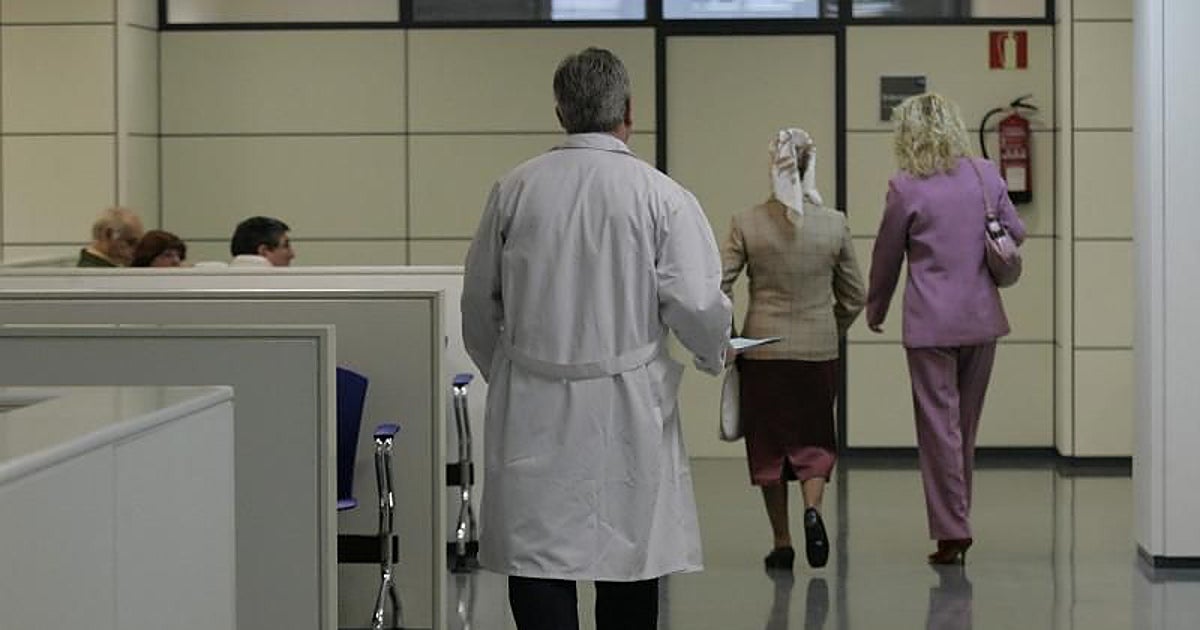
Healthcare waiting times in Spain's Asturias region won't return to pre-pandemic levels until 2035 — if the current pace of improvement continues. This concerning forecast comes from a new report by two major healthcare advocacy groups, ADSPA and PxSSPA.
The situation is particularly dire for first-time specialist consultations. While the average waiting time decreased slightly from 93 days in 2024 to 89 days in 2025, it's still far from the pre-pandemic level of 59 days seen in 2019. At the current rate of improvement, it will take 9 years and 10 months to get back to normal.
Why first consultations matter more than surgeries
While public attention often focuses on surgical waiting lists, the report emphasizes that first consultations are actually more critical. These initial appointments are where doctors make their first assessments and diagnoses — essentially the gateway to all further medical care.
There is some good news: surgical waiting lists are expected to return to pre-pandemic levels much sooner — in about 18 months, assuming the current reduction rate continues.
The private sector boom
The COVID-19 pandemic created a major disruption in healthcare services, dramatically worsening waiting times. This has led to an "exponential" growth in private health insurance policies as patients seek alternatives to the public system.
Transparency issues
The report also highlights a concerning lack of transparency in the healthcare system. The authorities don't disclose:
- Real average waiting times
- Primary care delays
- Combined waiting times across different stages of treatment
- Whether services are provided through regular hours, overtime, or outsourcing
Healthcare advocates warn that reducing waiting times is now "a social necessity and political priority." They argue that unless these "disproportionate" barriers to healthcare access are removed, more people will continue turning to private medicine — potentially undermining the public healthcare system.